Best Garage Storage Systems in 2026
As an Amazon Associate we earn from qualifying purchases. Disclosure
⭐ Our Top Pick
FYGRIP Storage Bin
The FYGRIP bins combine heavy-duty stackable construction with a clear design that makes inventory visible without opening anything. Over 10,000 verified buyers across garage and utility storage setups confirm they hold weight without warping and stack stably even when fully loaded.
$29.99
Check Price on Amazon →| Product | Price | Rating | Airtight | Stackable | |
|---|---|---|---|---|---|
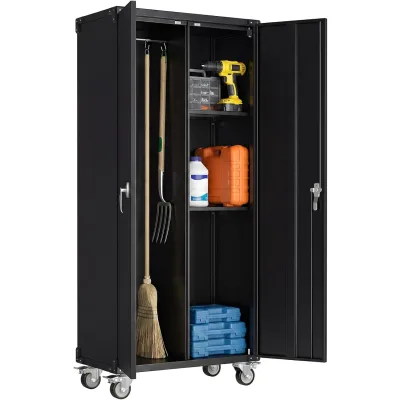 DUMOS Cabinet Steel Tool Organizer
DUMOS
DUMOS Cabinet Steel Tool Organizer
DUMOS
|
$199.99 | 5.0 ★ (4 reviews) | Check Price | ||
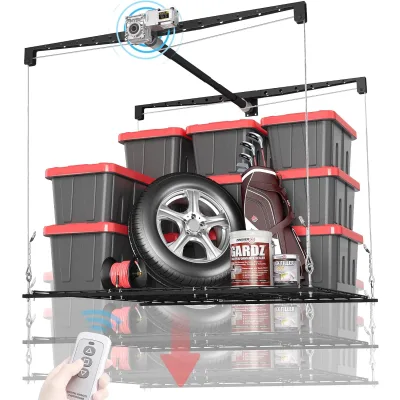 KOKORACKER Ceiling Storage Rack
KOKORACKER
KOKORACKER Ceiling Storage Rack
KOKORACKER
|
$299.95 | 5.0 ★ (2 reviews) | Check Price | ||
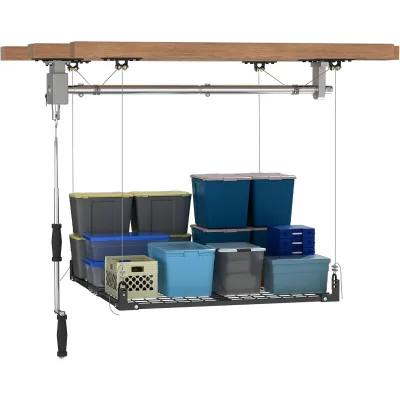 UODENGA Ceiling Storage Rack
UODENGA
UODENGA Ceiling Storage Rack
UODENGA
|
$129.99 | 5.0 ★ (2 reviews) | Check Price | ||
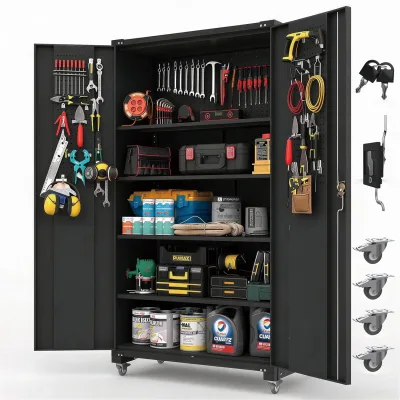 POTHOI Pegboard Steel Tool Rack
POTHOI
POTHOI Pegboard Steel Tool Rack
POTHOI
|
$329.99 | 5.0 ★ (1 reviews) | Check Price | ||
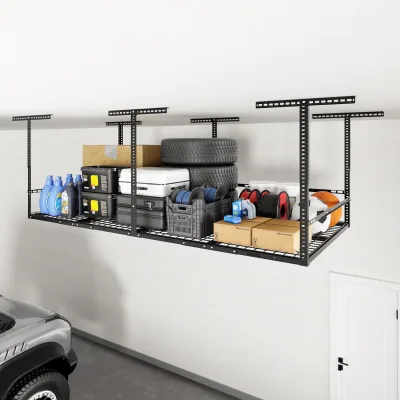 FLEXIMOUNTS Ceiling Steel Storage Rail
FLEXIMOUNTS
FLEXIMOUNTS Ceiling Steel Storage Rail
FLEXIMOUNTS
|
$189.99 | 5.0 ★ (1 reviews) | Check Price | ||
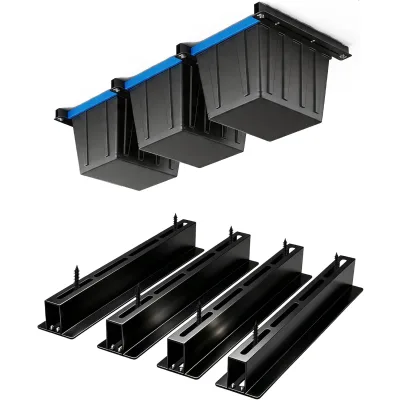 Dedomy Ceiling Steel Storage Rail
Dedomy
Dedomy Ceiling Steel Storage Rail
Dedomy
|
$39.90 | 5.0 ★ (1 reviews) | Check Price | ||
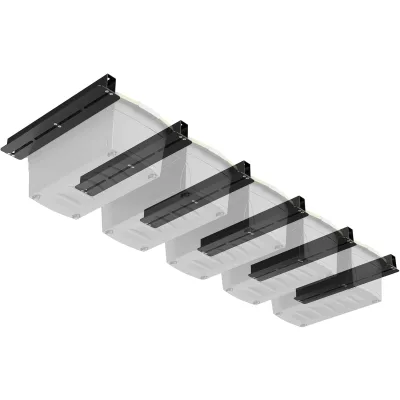 Yantuo Ceiling Storage Rail
Yantuo
Yantuo Ceiling Storage Rail
Yantuo
|
$54.90 | 5.0 ★ (1 reviews) | Check Price | ||
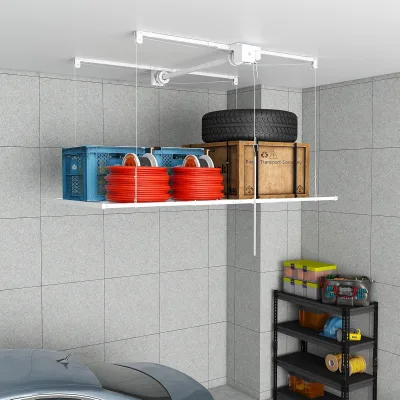 S.Walt Ceiling Steel Storage Rack
S.Walt
S.Walt Ceiling Steel Storage Rack
S.Walt
|
$239.99 | 5.0 ★ (1 reviews) | Check Price | ||
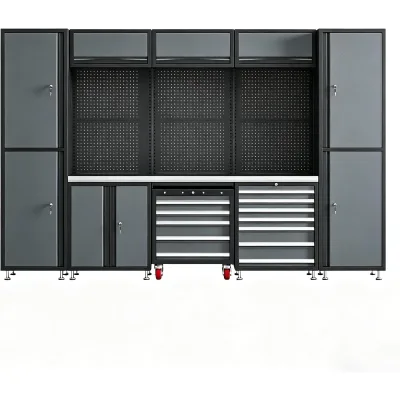 wipiaaao Cabinet Storage Cabinet
wipiaaao
wipiaaao Cabinet Storage Cabinet
wipiaaao
|
$949.00 | 5.0 ★ (1 reviews) | Check Price | ||
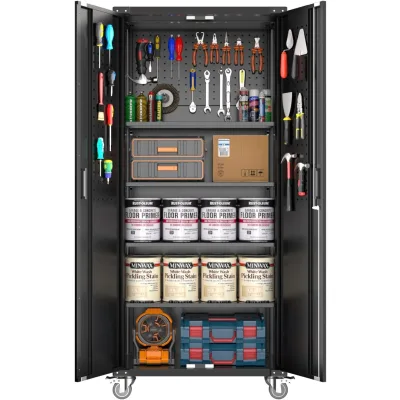 Garvee Pegboard Storage Cabinet
Garvee
Garvee Pegboard Storage Cabinet
Garvee
|
$161.99 | 5.0 ★ (1 reviews) | Check Price |
Prices last updated: June 24, 2026. Always verify on Amazon before purchasing.
Buying Guide
What to Look for in a Garage Storage System
Not all garage storage systems solve the same problem. Wall-mounted systems maximize floor space and keep the garage clear for vehicles and workspace. Freestanding shelving provides flexible storage that can be repositioned as needs change. Overhead ceiling racks use space above vehicles that would otherwise go completely unused. The right system depends on what you store, how heavy it is, and how much floor and wall space you can allocate to storage.
Before choosing a garage storage system, audit what you actually store in your garage. Tools, automotive supplies, sporting equipment, seasonal decorations, and power equipment all have different weight, size, and accessibility requirements. A wall-mounted system perfect for hand tools is the wrong choice for heavy automotive equipment that needs a floor-level cabinet with locking storage.
When comparing garage storage systems, focus on weight capacity, material, installation method, and expandability. Those factors determine whether the system handles your actual load, how long it lasts in a garage environment exposed to temperature swings and humidity, and whether it can grow with your storage needs over time.
Quick Buying Checklist
- Audit what you store before choosing a system type
- Measure wall height, depth, and available floor space
- Match weight capacity to heaviest items you plan to store
- Choose rust-resistant materials for unheated or humid garages
- Verify stud locations before buying wall-mounted systems
- Plan for expansion — choose modular systems that accept add-ons
Who Each Type of Garage Storage System Is Best For
Wall-mounted rail systems suit homeowners with limited floor space who need to store a variety of tools, bikes, and equipment while keeping parking space clear. Rail systems accept interchangeable hooks, baskets, and shelves that can be rearranged as storage needs evolve.
Freestanding steel shelving works best for renters or anyone who needs storage they can take with them. It requires no wall installation, handles heavy loads, and can be assembled and reconfigured without tools in most cases. The tradeoff is that it occupies floor space.
Overhead ceiling racks are best for seasonal items, camping gear, holiday decorations, and bulky equipment used only a few times per year. They use the space above parked vehicles that would otherwise go completely unused — often the most underutilized storage space in any garage.
Cabinet systems suit people who want a finished garage appearance and need to protect tools from dust or secure them from children. They cost significantly more than open shelving but create a dramatically more organized and professional-looking space.
Common Mistakes to Avoid
Buying before planning the layout. Purchasing shelving or wall systems without a layout plan almost always results in poor placement, blocked pathways, or storage positioned far from where items are actually used. Sketch a simple layout first — it takes 15 minutes and prevents expensive mistakes.
Underestimating weight requirements. A shelf rated for 100 lbs that holds 150 lbs of automotive supplies is a safety hazard. Always estimate conservatively and choose systems rated for significantly more than your expected load.
Storing frequently used items in overhead racks. Overhead storage requires a ladder or step stool for access. Reserve ceiling racks for items used once or twice per year — seasonal decorations, camping gear, extra lumber — and keep everyday tools and supplies at accessible wall or floor height.
Ignoring temperature and humidity. Unheated garages experience significant temperature swings that degrade materials over time. Powder-coated steel and rust-resistant finishes outlast bare metal significantly in garage environments with humidity or seasonal moisture.
Feature Breakdown
Weight capacity: Light-duty plastic shelving holds 100-200 lbs per shelf — adequate for bins, tools, and lighter supplies. Heavy-duty steel holds 400-800 lbs per shelf — necessary for automotive equipment, power tools, and loaded storage bins. Always choose capacity above your expected load.
Material: Powder-coated steel provides the best combination of strength, rust resistance, and longevity for garage use. Wire steel allows visibility and air circulation. Plastic is lighter and rust-proof but has lower weight limits. Wood works in climate-controlled garages but warps in humid or unheated environments.
Installation: Wall-mounted systems require locating studs and driving lag screws — a 1-2 hour project for most homeowners. Freestanding systems require only assembly. Ceiling racks require locating ceiling joists and careful attention to weight distribution.
Expandability: Modular systems that accept additional shelves, hooks, and accessories allow the storage to grow without replacing the entire system. This flexibility costs more upfront but provides significantly better long-term value than fixed systems that cannot be reconfigured.