Garage Organization Systems: How to Choose the Right One
As an Amazon Associate we earn from qualifying purchases. Disclosure
Types of Garage Organization Systems
There are five primary types of garage organization systems, and many homeowners combine multiple systems for better results.
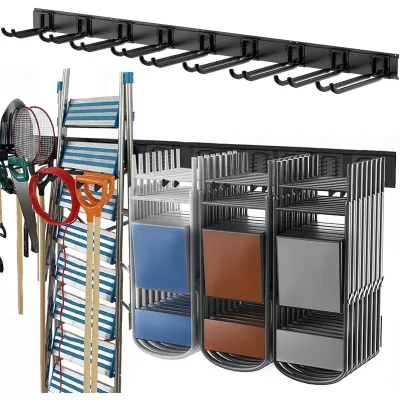
Wall-mounted systems attach directly to wall studs and use rails, tracks, hooks, baskets, and shelves. These systems keep frequently used items off the floor and work well for yard tools, ladders, extension cords, and sports equipment.
Ceiling and overhead storage takes advantage of unused vertical space above vehicles and walkways. These systems are commonly used for seasonal decorations, storage bins, camping gear, and other items that are not needed regularly.
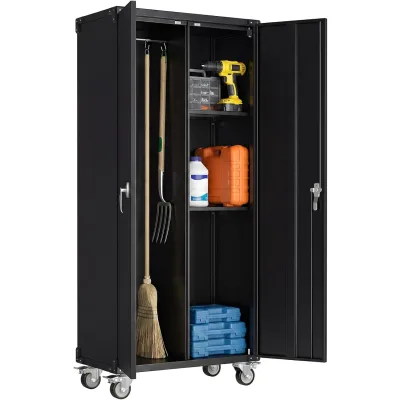
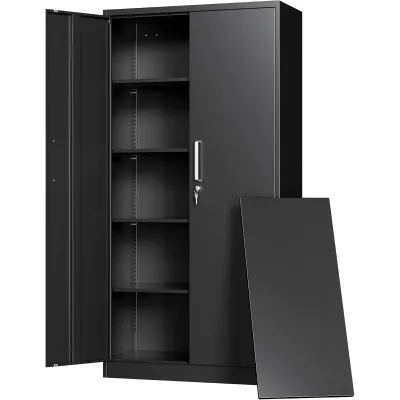
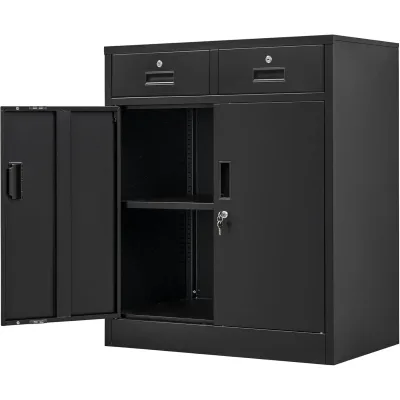
Garage cabinet systems provide enclosed storage that protects contents from dust and creates a cleaner appearance. Cabinets are often used for tools, automotive supplies, paint, and household storage.
Freestanding shelf systems are among the most flexible options because they do not require wall mounting. They can be moved as storage needs change and are often used for storage bins, bulk supplies, and heavy equipment.
Pegboard and slatwall systems create organized wall storage for smaller items. Pegboards typically support lighter tools and accessories, while slatwall systems often accommodate heavier loads and a wider range of attachments.
How to Choose the Right System for Your Garage
The right garage organization system starts with understanding how your garage is used.
Evaluate the size of the space. A one-car garage typically benefits most from vertical storage because floor space is limited. Larger garages often have room for cabinet systems, shelving, and dedicated work areas.
Consider what you plan to store. Long-handled tools, bicycles, and ladders work well on wall-mounted systems. Seasonal items and storage bins are often better suited for overhead storage. Tools, automotive products, and cleaning supplies are commonly stored in cabinet systems.
Set a realistic budget. Basic shelving and pegboard systems are generally the lowest-cost options. Wall-mounted systems fall into the middle range, while large cabinet systems and complete garage storage suites often represent a larger investment.
Consider whether you rent or own. Renters may prefer freestanding shelving because it requires little or no modification to walls. Homeowners can take advantage of permanent wall-mounted and ceiling-mounted installations.
Pay attention to weight capacity. Small hand tools require far less support than loaded storage bins, generators, or automotive equipment. Always compare the rated capacity of shelves, cabinets, and wall systems against the actual weight of the items being stored. Overloading storage components is one of the most common causes of damage and failure.
Installation and Maintenance
Installation requirements vary significantly between system types. Wall-mounted systems generally require locating wall studs and securing rails or panels with lag screws. Ceiling storage systems require attachment to ceiling joists and careful attention to weight limits. Cabinet systems may arrive preassembled or require assembly before installation. Freestanding shelves typically involve basic assembly and leveling.
Routine maintenance is relatively simple. Wipe cabinets, shelves, and wall systems periodically to remove dust and debris. Inspect mounting hardware several times per year to confirm that fasteners remain tight and secure.
Rust is one of the most common causes of storage system deterioration. Moisture from wet vehicles, humidity, water leaks, or direct exposure to the elements can damage metal components over time. Scratches in painted surfaces can also expose metal and increase the risk of corrosion.
Avoid storing chemicals that leak onto shelving or cabinet surfaces. Cleaning spills promptly and maintaining good garage ventilation can significantly extend the lifespan of your garage storage systems.
Benefits of a Proper Garage Organization System
A properly planned storage system creates measurable improvements in both usability and available space.
Reclaimed floor space. Moving tools, equipment, and storage bins onto walls, shelves, and overhead racks can free up enough room for vehicles, workbenches, or additional storage.
Better accessibility. Instead of searching through stacked boxes or crowded shelves, items can be grouped by category and stored in predictable locations. This reduces time spent looking for tools and supplies.
Protection for tools and equipment. Cabinets shield items from dust and debris, while wall-mounted storage keeps tools off damp floors. Better storage often translates into less wear and longer service life.
Improved home presentation. For homeowners planning to sell, an organized garage can make the property feel larger and better maintained. Buyers frequently view garages as an extension of the home's storage capacity.
Recommended Products
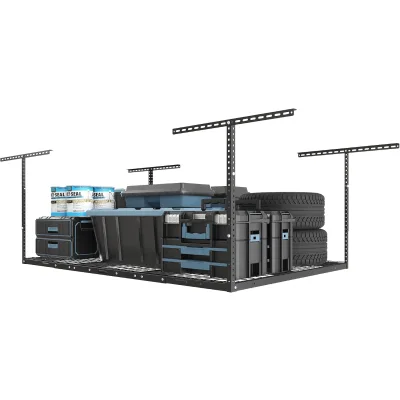
FLEXIMOUNTS Ceiling Iron Storage Rack
FLEXIMOUNTS
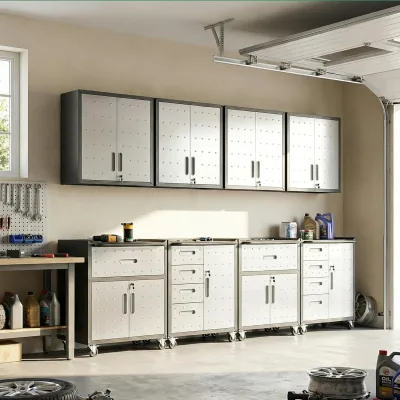
TORACK Wall Mount Steel Tool Organizer
TORACK
Prices last updated: June 24, 2026. Always verify on Amazon before purchasing.
Want to compare more options?
See all Garage Storage products →