Best Food Storage Containers in 2026
As an Amazon Associate we earn from qualifying purchases. Disclosure
⭐ Our Top Pick
Freshware Plastic Storage Organizer
The Freshware set earns the top position through the combination that matters most for everyday use: a complete range of sizes in one purchase, lids that are interchangeable across multiple container sizes, and nearly 15,000 buyers confirming the seals hold through repeated dishwasher cycles without warping or losing their grip.
$20.00
Check Price on Amazon →| Product | Price | Rating | Airtight | Stackable | |
|---|---|---|---|---|---|
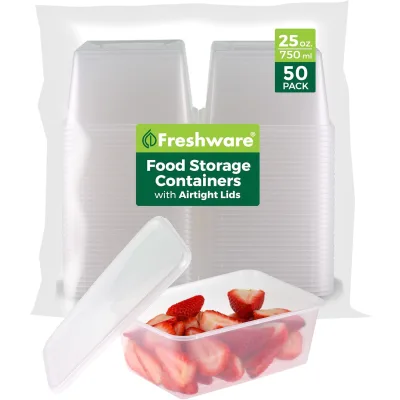 Freshware Plastic Storage Organizer
Freshware
Freshware Plastic Storage Organizer
Freshware
|
$20.00 | 4.8 ★ (14,935 reviews) | ✓ | Check Price | |
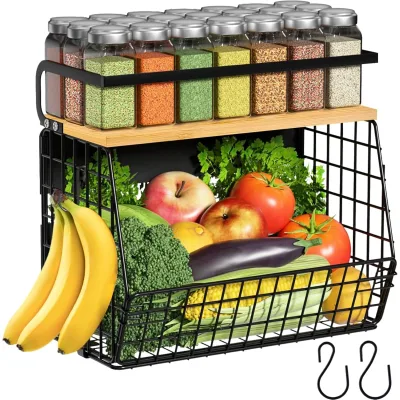 Ofiray-home Wood Shelf Organizer
Ofiray-home
Ofiray-home Wood Shelf Organizer
Ofiray-home
|
$23.99 | 4.8 ★ (2,750 reviews) | Check Price | ||
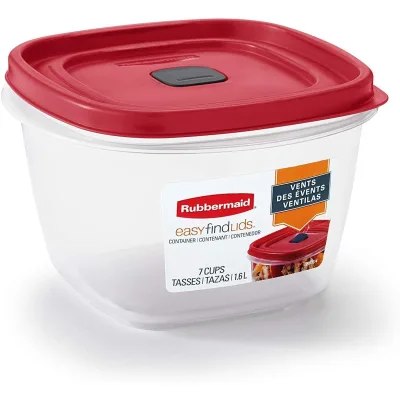 Rubbermaid Plastic Storage Organizer
Rubbermaid
Rubbermaid Plastic Storage Organizer
Rubbermaid
|
$23.79 | 4.8 ★ (2,126 reviews) | ✓ | Check Price | |
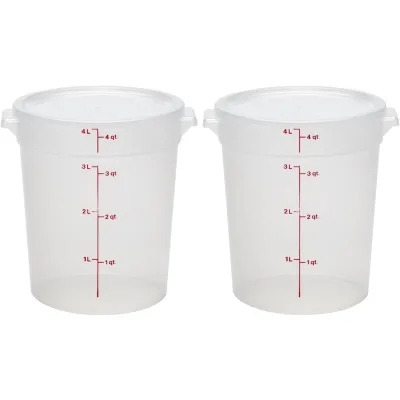 Cambro Plastic Storage Organizer
Cambro
Cambro Plastic Storage Organizer
Cambro
|
$17.64 | 4.8 ★ (923 reviews) | ✓ | Check Price | |
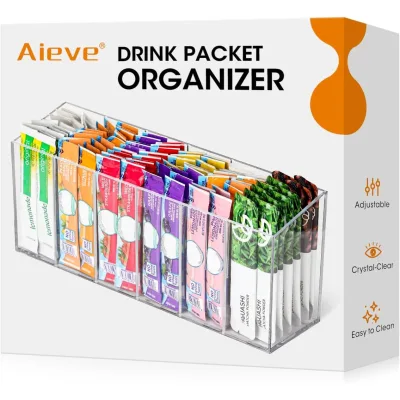 AIEVE Acrylic Organizer
AIEVE
AIEVE Acrylic Organizer
AIEVE
|
$11.99 | 4.8 ★ (606 reviews) | Check Price | ||
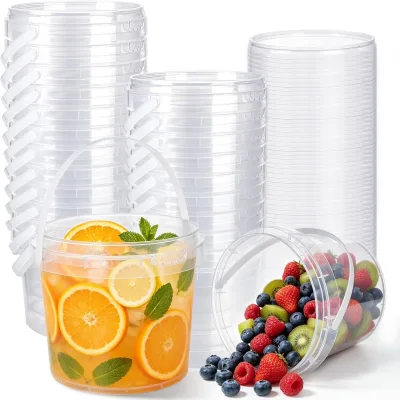 Ysglory Plastic Storage Organizer
Ysglory
Ysglory Plastic Storage Organizer
Ysglory
|
$29.99 | 4.8 ★ (6 reviews) | ✓ | Check Price | |
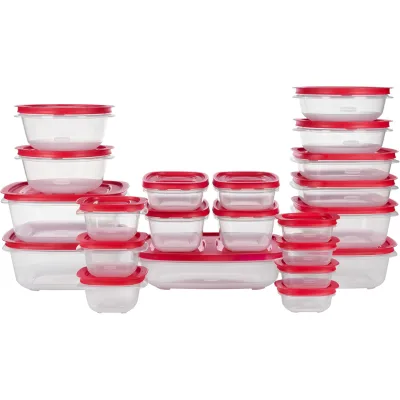 Rubbermaid Plastic Storage Organizer
Rubbermaid
Rubbermaid Plastic Storage Organizer
Rubbermaid
|
$39.99 | 4.7 ★ (104,304 reviews) | ✓ | Check Price | |
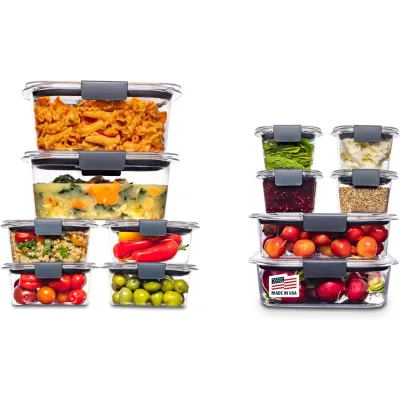 Rubbermaid Plastic Storage Organizer
Rubbermaid
Rubbermaid Plastic Storage Organizer
Rubbermaid
|
$53.22 | 4.7 ★ (74,175 reviews) | ✓ | Check Price | |
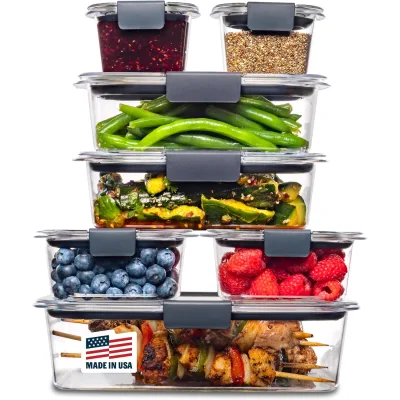 Rubbermaid Plastic Storage Organizer
Rubbermaid
Rubbermaid Plastic Storage Organizer
Rubbermaid
|
$27.99 | 4.7 ★ (74,175 reviews) | ✓ | Check Price | |
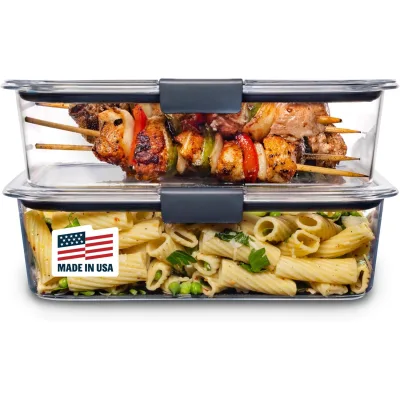 Rubbermaid Plastic Storage Organizer
Rubbermaid
Rubbermaid Plastic Storage Organizer
Rubbermaid
|
$19.99 | 4.7 ★ (59,022 reviews) | ✓ | Check Price |
Prices last updated: July 9, 2026. Always verify on Amazon before purchasing.
Buying Guide
What to Look for in Food Storage Containers
Not all food storage containers solve the same problem. Glass containers handle oven and microwave reheating that would warp plastic alternatives. Airtight plastic containers are lighter, less expensive, and better for packed lunches and portable meals. Large pantry canisters organize dry goods differently than smaller individual-portion containers designed for leftover storage. The right choice depends on how you actually use food storage — meal prep, leftovers, packed lunches, pantry organization, or some combination of all four.
Before buying food storage containers, audit how you currently use containers in your kitchen. If you lose lids constantly, a set with interchangeable lids solves that problem. If containers warp in the microwave, glass is the right material upgrade. If your refrigerator shelf space is limited, rectangular containers that stack without gaps will make a bigger difference than round containers of the same volume.
When comparing food storage containers, focus on material, seal quality, size range, and compatibility with your actual cooking habits. The best food storage container is one you will actually use — which means it needs to fit your refrigerator shelves, handle the temperatures you subject it to, and seal reliably every time without requiring special technique.
Quick Buying Checklist
- Decide between glass and plastic based on reheating needs
- Verify microwave and dishwasher safety ratings before buying
- Choose rectangular over round for better refrigerator shelf efficiency
- Look for interchangeable lids across multiple container sizes
- Check freezer compatibility if you plan to store soups and liquids
- Measure refrigerator shelf depth to ensure containers fit upright
Who Each Type of Food Storage Container Is Best For
Glass containers with locking lids suit meal preppers, people who reheat food in the container multiple times per week, and anyone tired of replacing stained or warped plastic. The upfront cost is higher but glass containers typically outlast multiple sets of plastic alternatives without absorbing odors or changing shape.
BPA-free plastic containers work best for packed lunches, children meals, and situations where the container leaves the house and risks being dropped or left behind. The lighter weight and lower replacement cost make plastic more practical for portable everyday use.
Airtight pantry canisters suit people who buy dry goods in bulk — flour, sugar, rice, oats, pasta — and want to transfer them from original packaging into uniform labeled containers that stack neatly and keep contents significantly fresher than cardboard or thin plastic packaging.
Modular sets with interchangeable lids solve the missing lid problem that develops when containers from different sets accumulate over time. Buying one uniform set where lids fit multiple container sizes dramatically reduces the frustration of finding a matching lid under time pressure.
Common Mistakes to Avoid
Buying mismatched containers over time. Accumulating individual containers from different product lines creates a cabinet full of orphaned lids and containers that do not stack efficiently. Buying one complete set is almost always more practical than building a collection piece by piece.
Using plastic containers for high-heat reheating. Plastic containers repeatedly subjected to microwave heat or high-temperature dishwasher cycles warp and stain significantly faster than glass. If reheating food in the container is a daily habit, glass is worth the investment regardless of the upfront cost difference.
Choosing round containers for refrigerator storage. Round containers leave triangular gaps between each other on refrigerator shelves, which wastes a surprising amount of usable space. Rectangular containers fill shelf space efficiently and typically store 20-30 percent more food in the same refrigerator footprint.
Ignoring freezer compatibility. Not all food storage containers handle freezer temperatures safely. Containers not rated for freezer use can crack, warp, or lose their seal integrity when frozen — particularly problematic for soups and liquid-heavy meals. Always verify freezer compatibility before using containers below refrigerator temperature.
Feature Breakdown
Material: Borosilicate glass handles the widest temperature range — from freezer to oven — and never absorbs food odors or stains. Standard glass is oven-safe at lower temperatures. BPA-free plastic is lightweight, shatter-resistant, and microwave-safe in most cases. Stainless steel is the most durable option but is not microwave-compatible.
Seal quality: Four-sided locking lids with silicone gaskets provide the most reliable airtight seal for liquids and moist foods. Two-sided locks provide adequate sealing for dry and semi-dry foods. Press-fit lids without locking mechanisms are the least reliable for anything liquid or prone to spilling.
Size range: A complete set should include small containers (1-2 cups) for individual portions and sauces, medium containers (3-4 cups) for full meal portions and side dishes, and large containers (6+ cups) for soups, salads, and bulk storage. Sets with the full range eliminate the need for supplemental purchases.
Compatibility: Microwave-safe means the container handles reheating temperatures without warping. Dishwasher-safe means the material and seal survive repeated dishwasher cycles. Freezer-safe means the container handles temperatures below 32°F without cracking. Oven-safe is specific to glass and some ceramic containers and typically handles up to 400-450°F.